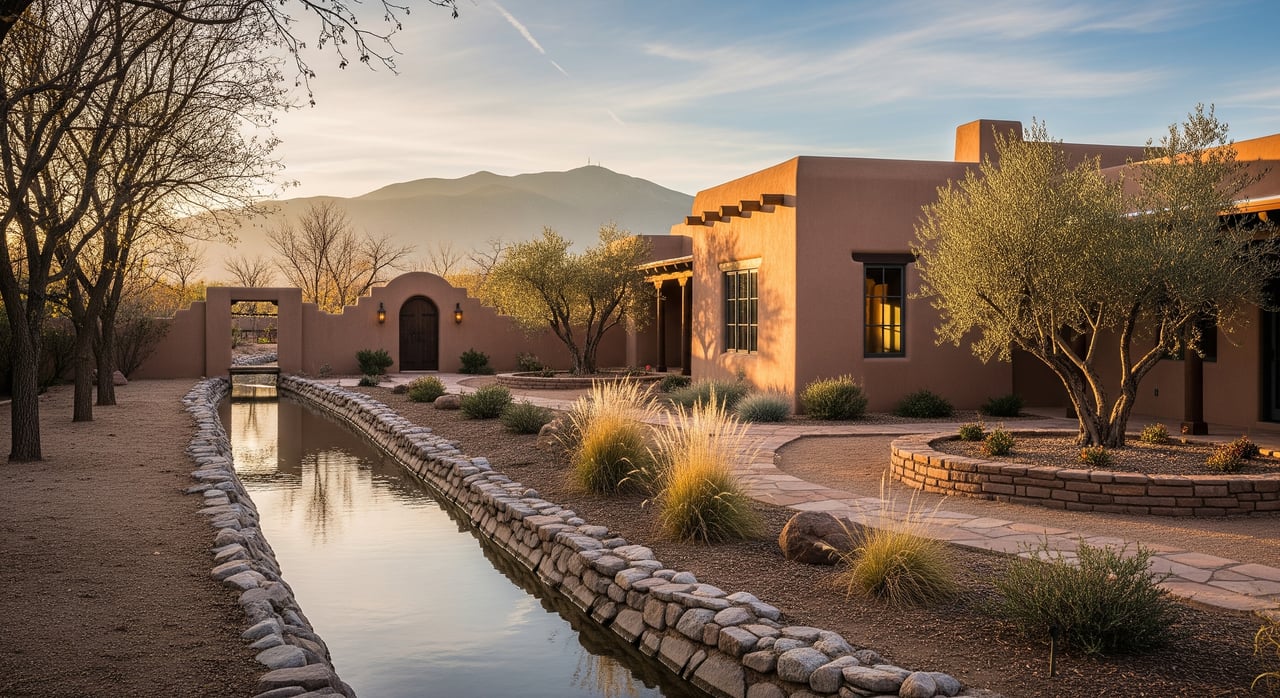
Does that quiet ditch behind a North Valley home carry more than water? If you own or plan to buy in Albuquerque’s North Valley, you will likely encounter acequias, the community-managed irrigation ditches that shape local landscapes and traditions. Understanding how they work will help you protect your rights, avoid surprises, and make the most of a unique lifestyle. This guide breaks down the essentials and gives you a practical checklist for due diligence. Let’s dive in.
Acequia basics in the North Valley
An acequia is both a physical ditch and a community institution that diverts surface water, often from the Rio Grande, to irrigate fields, gardens, and trees. In New Mexico, acequias are longstanding systems with deep cultural roots and community governance. They support irrigation, recharge groundwater, and contribute to the area’s distinctive North Valley character.
In and around Albuquerque, acequias operate alongside regional irrigation infrastructure. The Middle Rio Grande Conservancy District manages major facilities in the valley, and some acequia laterals interface with that system. Local records and municipal utilities serve different roles, so it helps to know which entities touch your property.
How acequias are governed
Acequias are typically governed by an association of members, with officers such as commissioners and a mayordomo who oversees day-to-day operations. Bylaws set rules for water turns, maintenance schedules, and assessments. Members often share seasonal labor for cleaning and repairs, and associations may collect monetary assessments to fund improvements.
Each acequia operates by its own bylaws and local custom. You should review those bylaws to understand rotation schedules, maintenance expectations, and enforcement procedures. If questions arise, start with the mayordomo or commissioners and request recent meeting minutes for context.
Water rights 101
Acequia use depends on surface water rights, which are legal entitlements to divert and use water for irrigation. These rights follow New Mexico water law, including priority dates and processes overseen by the Office of the State Engineer and the courts. Changes to use or transfers of water rights typically require formal approvals and can be complex.
Deliveries are seasonal and depend on hydrology, river operations, and upstream diversions. In dry years, you should expect variability and possible curtailments. Surface-water irrigation is distinct from municipal water service or wells, so do not assume the availability or reliability of one tells you about the other.
What this means for your property
Easements and setbacks
Many North Valley parcels include recorded acequia easements or rights-of-way. These can limit where you place fences, driveways, trees, or structures near the ditch. A current boundary survey helps you pinpoint the easement location before you build or landscape.
Assessments and maintenance
Owners served by an acequia often share responsibility for seasonal cleaning, bank repairs, and headgate work. Associations may collect dues or assessments to cover repairs and operations. Ask for the schedule, amounts due, and any history of unpaid assessments or liens.
Title and water rights transfer
Title reports and plats will often show ditch alignments and easements, but water rights may require separate verification. Some irrigation rights are appurtenant to the land, yet the status must be confirmed for each parcel. Work with your title company and consult state water records to confirm what transfers at closing.
Safety and liability
Open channels are part of North Valley life, but they can pose risks for children and pets. Review your insurance coverage for incidents related to irrigation features. Ask your association about any safety guidelines for your stretch of ditch.
Lifestyle pros and tradeoffs
Access to acequia water can support orchards, gardens, and shade trees that many owners value. It also involves shared responsibilities, seasonal work, and reliance on variable surface flows. Consider whether the maintenance rhythm fits your goals and time.
Due diligence checklist
Buyers: documents to request
- Title report and preliminary title commitment, noting any acequia easements or liens.
- Recorded deed, plat, and a boundary survey that maps the ditch and easement.
- Acequia bylaws, membership list, recent meeting minutes, and a written statement of current assessments.
- A written statement from the mayordomo or commissioners describing obligations, rotation schedules, and pending repairs or disputes.
- State water-right abstracts or adjudication information for rights tied to the parcel.
- Any Middle Rio Grande Conservancy District account records if infrastructure interfaces with their system.
- County Recorder and Assessor documentation for recorded easements or related liens.
Sellers: documents to prepare
- Copies of bylaws or contact details for the mayordomo and commissioners.
- A summary of assessments paid and any outstanding amounts.
- Relevant plats or surveys showing the acequia alignment and easement.
- Any available water-right documentation or correspondence with state agencies.
Specific questions to ask
- Is the property served by an acequia, and which one?
- Where are the recorded easements, and do they limit fences, crossings, or plantings?
- What are the current assessment amounts, billing timelines, and labor expectations?
- Are there unpaid assessments, recorded liens, or pending enforcement actions?
- Is the irrigation right appurtenant to the land and reflected in state records?
- When does water typically run, how are turns scheduled, and what is the usual reliability?
- Are any repairs or capital projects planned that could add assessments?
Who to contact
- Local acequia association officers for bylaws, rotations, and assessments.
- A title company or real estate attorney for easement exceptions and lien risk.
- The County Recorder and Assessor to verify recorded instruments.
- The Office of the State Engineer for water-right records and permit history.
- The Middle Rio Grande Conservancy District if the ditch connects to their facilities.
- NMSU Cooperative Extension or statewide acequia resources for guidance on customary practices.
- Your insurance agent to review liability and any flood-related coverage considerations.
Risks, trends, and community context
Rio Grande flows have been variable in recent years, and drought can reduce deliveries. Plan your landscaping and irrigation with seasonal flexibility in mind. Community-based dispute resolution is common, so be prepared to engage with your association if water-turn or maintenance questions arise.
Development and land-use changes can affect acequia systems and sometimes trigger legal review. If you plan to subdivide, alter irrigation infrastructure, or change the use of water rights, consult the appropriate agencies early. Staying proactive helps avoid delays and unexpected costs.
Common North Valley scenarios
A backyard ditch crossing
If you plan a driveway or footbridge across the ditch, you will usually need association approval and the correct structure. Confirm design standards and permits before you build. A survey will help you place crossings within easement limits.
Municipal water plus acequia irrigation
Many homes use city water indoors and acequia water for yards or orchards. Treat these as separate systems with different rules and reliability. Keep track of rotation schedules and plan irrigation around seasonal flows.
Fencing and landscaping near the ditch
Vegetation, trees, and fences near the easement often face specific rules. Ask about setbacks and maintenance access before planting or installing a fence. Getting approval up front can prevent costly changes later.
Plan your next steps
If you are eyeing a North Valley property, start by confirming easements and water-right status, then request the acequia bylaws and a written assessment statement. Walk the ditch with a survey in hand and talk with the mayordomo about rotations and maintenance. If you want local guidance from a team that works these properties every day, connect with Momentum Real Estate Group for tailored advice and to get your free home valuation.
FAQs
How to tell if a North Valley property is on an acequia
- Check the title report and plat for recorded easements, confirm with the seller and mayordomo, and verify with a boundary survey and county records.
Do acequia assessments appear on Bernalillo County tax bills
- Some assessments may be recorded in ways that appear on tax bills, while others are billed directly by the association; verify with the acequia and title company.
Can I install a fence across an acequia in Albuquerque
- It depends on bylaws, recorded easements, and local rules; prior approval and proper crossing structures are typically required.
Do acequia rights provide year-round water in the North Valley
- No; deliveries are seasonal and depend on hydrologic conditions, operations, legal priorities, and drought.
If I buy a North Valley home with acequia service, do I become a member
- Usually yes; ownership of a served parcel commonly brings membership obligations, but you should confirm specifics with the association.
