Thinking about adding a guest house or casita on your North Valley property? With larger lots, a rich architectural style, and steady housing demand, an ADU can open options for income, multigenerational living, or a flexible studio. The key is understanding local rules, site constraints, and costs before you start. In this guide, you will learn what to check first, how ADUs fit the North Valley, and the steps to move forward with confidence. Let’s dive in.
Why the North Valley suits ADUs
The North Valley has many larger lots and established single-family homes, which can make detached or attached ADUs physically feasible. Many buyers here value space for family, guests, or rental income, so a well-designed ADU can match local lifestyle goals. Citywide housing demand and rental shortages also support ADUs as part of the broader supply. The best ADUs in the North Valley tend to feel discreet, compatible with the main house, and mindful of the area’s character.
Confirm your jurisdiction
Before you sketch plans, confirm whether your parcel sits inside Albuquerque city limits or in unincorporated Bernalillo County. Your jurisdiction determines zoning allowances, size and height limits, setback rules, parking, owner-occupancy requirements, short-term rental rules, and permit processes. Contact the City of Albuquerque Planning Department and Development Services for parcels in the city, or Bernalillo County Planning and Zoning for unincorporated parcels. Avoid assuming numeric limits, since standards can change and vary by district.
North Valley site checks
The North Valley’s traditional acequia easements can limit where you place an ADU. Many properties have irrigation rights-of-way that require setbacks and coordination with acequia associations. Utilities vary, too. Some homes have municipal water and sewer, while others rely on private wells and septic systems that need environmental review and may require upgrades.
If your property is near the Rio Grande or in a historic floodplain, you may face special foundation standards or insurance needs. Older lots sometimes need electrical service upgrades to support a new unit, which requires coordination with the local utility. Large mature trees, open-space easements, and neighborhood design guidelines can also shape your building footprint. A site walk with an experienced local pro helps surface these constraints early.
ADU types and design
Common ADU paths include garage or basement conversions, attached in-law suites, detached backyard casitas, and modular or prefab units. Conversions are often faster and lower cost, since you reuse structure and utilities. Detached units offer the most privacy and flexibility, which suits larger North Valley parcels.
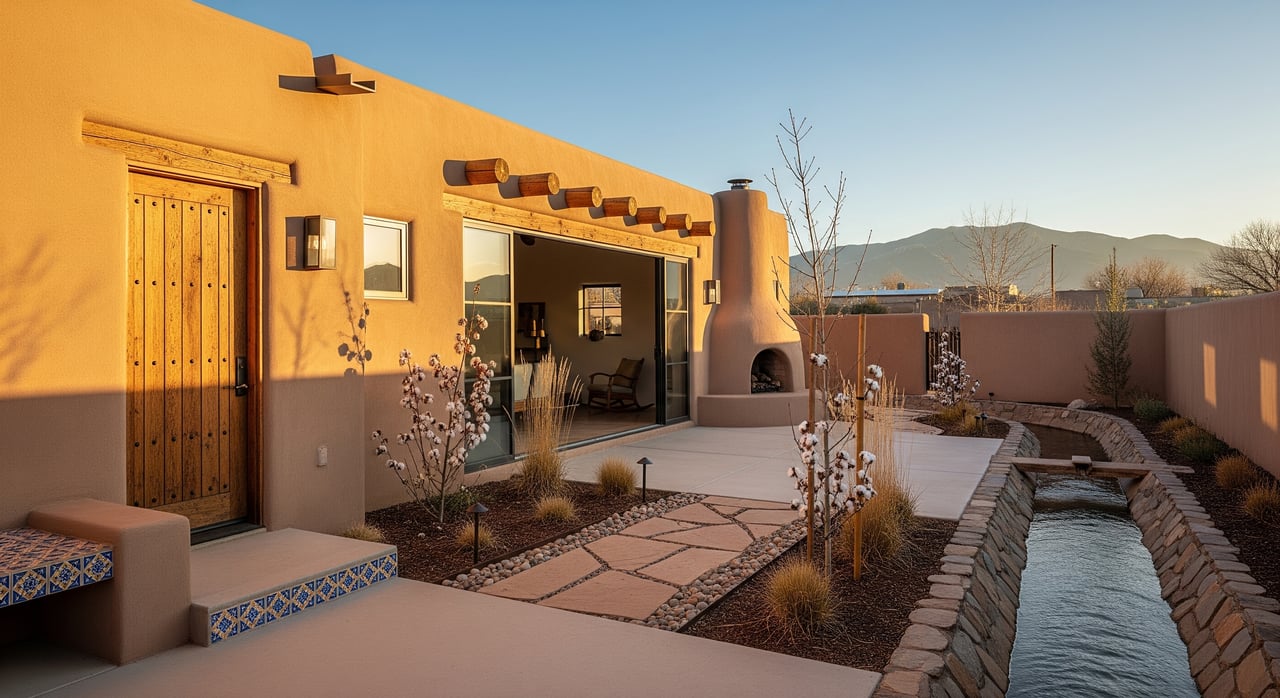
Design for Albuquerque’s high-desert climate. Prioritize passive solar gains in winter, shading for summer, quality insulation, and right-sized HVAC like efficient mini-split heat pumps. Many owners choose adobe or stucco finishes, flat or low-slope rooflines, and xeric landscaping to match local style and reduce water use. Plan entries, fencing, and parking so both the main house and the ADU have privacy and safe access.
Costs, time, and financing
Costs depend on type and site complexity. Conversions or attached ADUs often fall in the tens of thousands to low six figures, while a detached new-build can land in the low to mid six figures. Utility upgrades, acequia constraints, and foundation work can add to the budget. Prefab or modular options can shorten schedules and sometimes reduce costs.
Timelines vary. A simple conversion may take a few months from permits to completion. A detached new-build is often a 6 to 12 month path, depending on design complexity, contractor availability, and plan review times. Financing options can include a HELOC or home equity loan, a cash-out refinance, a construction loan, renovation mortgages, or personal or contractor financing. Expect your assessed value to rise once the ADU is complete, and update your homeowner’s insurance for the added living unit and any rental use.
Permits, utilities, and contacts
A typical process starts with zoning verification, then site plan and building permit submittals with floor plans, elevations, structural details, and utility plans. If you have a private well or septic system, contact Bernalillo County Environmental Health or the New Mexico Environment Department for requirements. For water and sewer, coordinate with the Albuquerque Water Utility Authority or your local provider to confirm capacity and fees. For electrical service or solar interconnection, consult PNM.
Expect inspections for foundation, framing, plumbing, electrical, mechanical, and a final sign-off. If you are in a historic overlay or design review area, you will need to coordinate with the city’s historic preservation office. Before siting an ADU, verify acequia and utility easements at the county recorder’s office to avoid costly redesigns. Building without permits can create financing and resale problems later.
Rental options and rules
An ADU can serve as a long-term rental, a multigenerational suite, or a guest space. If you are considering short-term rental, confirm current city or county rules and any licensing requirements. Short-term rental regulations change, and compliance affects viability and taxes. If you operate an STR, plan to register as required and remit local lodging taxes.
Quick-start checklist
- Confirm your jurisdiction and zoning with the City of Albuquerque or Bernalillo County.
- Map acequia and utility easements, and check for floodplain or historic overlays.
- Identify water and wastewater service, municipal or private well and septic.
- Request capacity checks with the water utility and PNM, and estimate connection or upgrade fees.
- Speak with Environmental Health or NMED if on septic or well.
- Get at least one contractor or ADU specialist estimate, plus a preliminary site plan.
- Plan financing and factor in property tax and insurance updates.
Resale and value
A properly permitted, well-designed ADU generally increases assessed value and broadens your buyer pool. Investors, multigenerational households, and remote workers often value flexible space and potential income. Poorly integrated or unpermitted ADUs can be liabilities during sale, so documentation and compliance matter. Keep records of permits, inspections, and plans to support appraisal and buyer confidence.
Bring in local pros
Work with architects and builders who understand acequia easements, adobe and stucco construction, and city or county permitting. Ask for examples of North Valley projects and references. A local real estate advisor with North Valley experience can help you weigh rental demand, resale impact, and neighborhood expectations. That guidance can shape smarter design choices and a smoother path from idea to sign-off.
Ready to explore ADU options or estimate how an ADU might affect your home’s value? Connect with the local team that knows the North Valley’s land, water, and lifestyle. Contact Momentum Real Estate Group to talk through scenarios or get your free home valuation.
FAQs
Can I build an ADU on my North Valley property?
- It depends on whether you are inside Albuquerque city limits or in unincorporated Bernalillo County, your zoning, easements like acequias, and access to water and wastewater service.
What permits do I need for an ADU in Albuquerque’s North Valley?
- Plan on zoning verification, building permits with plans, utility reviews, and required inspections, plus Environmental Health or NMED review if you use a private well or septic system.
How much does a North Valley ADU cost to build?
- Conversions or attached units often land in the tens of thousands to low six figures, while detached builds are commonly in the low to mid six figures, depending on site and finish.
How long does it take to build an ADU in the North Valley?
- A simple conversion can take a few months, while a detached new-build typically ranges from 6 to 12 months based on design complexity, contractor availability, and permit timelines.
Can I rent a North Valley ADU short-term on Airbnb or VRBO?
- Short-term rental rules vary by jurisdiction and may require licensing and lodging taxes, so verify current city or county regulations before assuming STR use.
Will adding an ADU raise my Bernalillo County property taxes?
- Yes, an ADU usually increases assessed value and taxes, so consult the County Assessor for estimates and budget for changes after completion.
