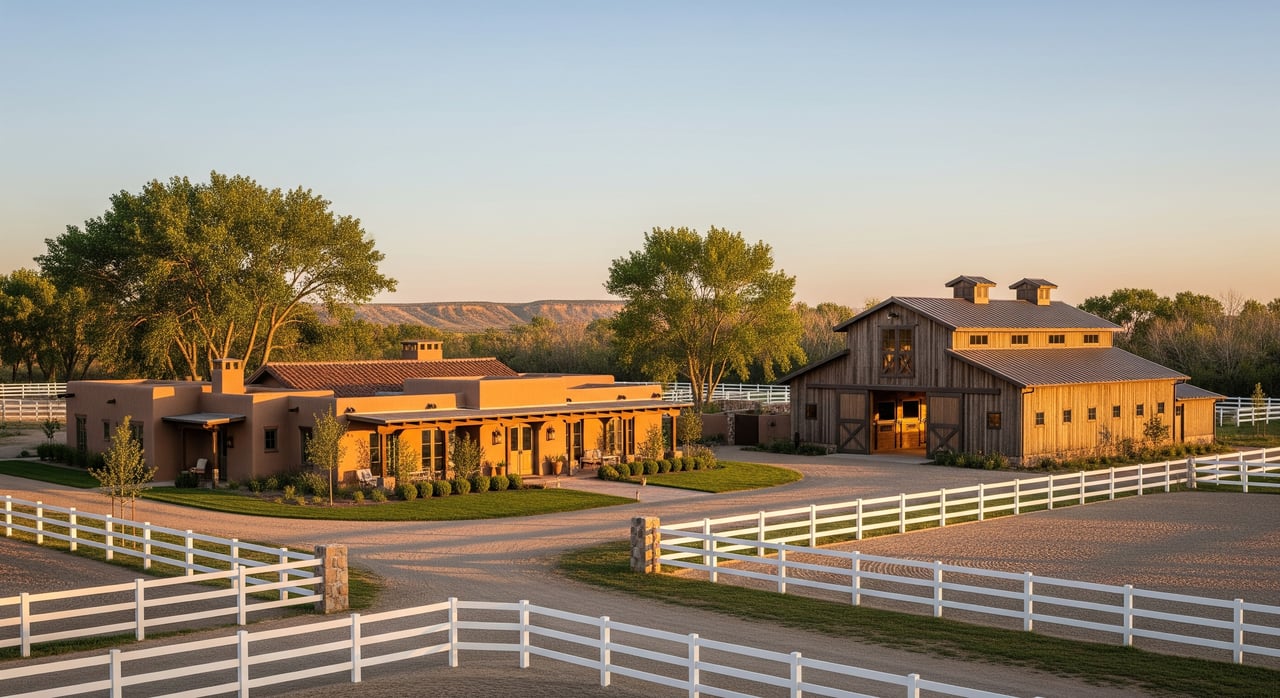
If you dream of waking up to quiet mornings, a trailer-ready driveway, and room for your horses to stretch, Bosque Farms and neighboring Peralta deserve a close look. These Rio Grande valley communities offer rural acreage with a short drive to Albuquerque services. Buying horse property here is different from buying a typical suburban home, especially when it comes to water, floodplain rules, and pasture management. This guide walks you through what to check, who to call, and how to buy with confidence. Let’s dive in.
Why Bosque Farms and Peralta
Bosque Farms and Peralta sit in the Rio Grande corridor in Valencia County. You will find a mix of small ranchettes, hobby farms, and larger agricultural parcels. Many horse owners keep horses on 1 to 10 acres, but actual suitability depends on irrigation, fencing, soil, and management.
The climate is semi-arid. Rain is limited and seasonal, summers are hot, and winter nights can freeze. Pasture carrying capacity is lower than in humid regions, so reliable irrigation and supplemental hay are part of the plan. The proximity to Albuquerque means access to veterinary hospitals, farriers, and feed suppliers while still enjoying a rural lifestyle.
Know the rules early
Local regulations vary by jurisdiction and neighborhood. Start by confirming who governs the property and what they allow before you fall in love with a barn.
Village vs. county
Some addresses are inside Village of Bosque Farms limits. Others are in unincorporated Valencia County, including parts of Peralta-area land. Each authority has its own planning and zoning rules for livestock, accessory structures, setbacks, and nuisance ordinances. Confirm jurisdiction and permitted uses early in your search.
Livestock limits and permits
Check local codes for allowable livestock and any number limits. Accessory buildings like barns and run-in sheds may need permits and must follow setback standards. Ask for records on existing structures and verify that past work was permitted.
HOAs and covenants
Some subdivisions have covenants that restrict fencing types, arena lighting, or commercial equine activities. Request and review recorded covenants and any HOA rules during your offer period.
Water rights and wells
Water is often the make-or-break factor for horse properties in the valley. Treat irrigation, wells, and water quality as core due diligence items.
Surface irrigation and ditch shares
Irrigation in this corridor commonly comes from acequia or ditch systems. Irrigation rights or shares are separate from land and do not always transfer automatically. Ask your title company to confirm water-rights status and any reservations. Contact the local ditch or acequia association about delivery history, rules, and annual assessments.
Domestic wells and permits
If the property has a well, verify that it is permitted and registered with the New Mexico Office of the State Engineer. Request the well log and any production history. If you plan to drill a new well, understand local groundwater conditions and permit requirements before you buy.
Water quality and winter readiness
Horses need dependable potable water. Test water for bacteria, nitrates, and salinity. For irrigation, water quality affects forage productivity. Plan for freeze protection in winter by insulating lines or providing alternative access when temperatures drop.
Floodplain and riparian factors
The Rio Grande corridor includes floodplain and riparian zones. This can shape where and how you build or expand facilities.
FEMA flood zones and building
Many parcels near the river lie in FEMA flood zones. Review flood maps, ask sellers for flood history, and check whether barns or homes need to be elevated or insured. Floodplain ordinances may require specific mitigation for new construction.
Bosque protections
Riparian and habitat protections can apply near the bosque. Local planning guidance may limit clearing or certain improvements to protect river function and wildlife. Factor these constraints into your site plan.
Land and horse management
The right acreage with the wrong setup can still be a struggle. Evaluate pasture potential, soils, fencing, and infrastructure with horse safety and long-term maintenance in mind.
Pasture and carrying capacity
In semi-arid New Mexico, unimproved pasture supports fewer horses than in wetter climates. Irrigation availability, soil productivity, and management practices are key. Many owners use rotational turnout with significant supplemental hay. As a rule of thumb, 1 to 2 acres per horse is often minimal here and may be insufficient without steady supplemental feeding.
Soils, drainage, and vegetation
Use NRCS soil surveys and local soil testing to assess pasture improvement potential and septic suitability. Watch for drainage challenges near arroyos and low spots. Be alert to invasive or water-thirsty species that reduce forage quality.
Fencing, shelter, and arenas
Inspect fencing for horse safety and durability. Board, pipe, or smooth-wire with visibility are common choices. Evaluate barns and sheds for structural integrity, ventilation, and compliant setbacks. For arenas and paddocks, look at grading, drainage, and dust control. Manure storage should be sited to avoid runoff and protect water quality.
Access and nearby services
Rural access matters. Confirm legal access, driveway conditions, and the ability to move large trucks and trailers. Some parcels rely on private easements or seasonal roads. Regionally, you will find equine veterinarians, farriers, and feed suppliers in Valencia County and the Albuquerque metro. Ask providers about service range and emergency response times.
Costs, taxes, financing, and insurance
Plan your budget with both purchase and setup costs in mind. Rural and equestrian properties have unique line items.
Common improvement costs
- Fencing repair or replacement
- Barn or shelter repair, new construction, or roof work
- Arena grading, footing, and drainage upgrades
- Well drilling or rehabilitation and irrigation infrastructure
- Septic repairs or upgrades
- Access road work, gates, and trailer turnarounds
- Hay, feed, and equipment storage solutions
Get multiple bids from contractors with horse-property experience before you commit to major projects.
Property taxes and agricultural valuation
Valencia County administers property taxes. Some owners can qualify for agricultural valuation if the land is actively used for agriculture with supporting documentation. Ask the county assessor about criteria, minimum acreage or use, and how to preserve any tax status after purchase.
Financing options
Some traditional lenders have limits for homes with acreage or agricultural structures. You may want to consider specialized rural lenders or USDA loan programs if eligible. Local banks familiar with agricultural properties can streamline underwriting for barns, arenas, or larger lots.
Insurance considerations
Standard homeowner policies may not fully cover barns, arenas, or ranch equipment. Consider farm or ranch liability coverage, and equine liability if you teach lessons or board. If the property is in a flood zone, plan for separate flood insurance.
A buyer’s due diligence checklist
- Confirm jurisdiction and permitted uses with the Village of Bosque Farms or Valencia County planning and zoning.
- Ask your title team to verify water rights or ditch shares, easements, and any recorded covenants.
- Order a current boundary survey if fencing or corners are unclear.
- Review FEMA flood maps and local floodplain rules. Ask for any flood history and insurance claims.
- Verify septic design, permits, and maintenance history with the New Mexico Environment Department or county environmental health.
- Confirm well permit and well log with the Office of the State Engineer, and test water quality.
- Review NRCS soil surveys and obtain soil tests for pasture potential and septic suitability.
- Inspect barns, arenas, shelters, and fencing with a professional who understands agricultural structures.
- Check for riparian protections, conservation easements, or environmental considerations near the bosque.
- Talk with local equine veterinarians, farriers, feed suppliers, and fence contractors about service availability.
Work with local pros
Successful horse-property purchases are team efforts. Engage professionals who know this corridor and its water, floodplain, and land-use nuances.
- A real estate agent experienced with Bosque Farms and Peralta horse properties
- A title company or attorney familiar with New Mexico water rights and ditch systems
- A licensed well driller or hydrogeologist for well evaluation
- NMED or county environmental health for septic verification
- NRCS or Cooperative Extension for pasture and soil guidance
- An equine veterinarian for local health and biosecurity best practices
- An inspector experienced with barns, arenas, and fencing
Seller tips for showcasing horse property
If you plan to sell, help buyers feel confident about the essentials. Gather irrigation documents, ditch association contacts, and any water-rights records. Compile well and septic permits, pumping logs, and maintenance receipts. Map pastures, turnout areas, and access points for trailers. Highlight recent upgrades to fencing, barns, drainage, or arena footing. Clear, organized information can speed due diligence and help your property stand out.
Ready to explore your options?
Whether you are searching for a small ranchette or a larger setup with irrigation, local guidance can save you time and prevent costly surprises. Our team pairs equestrian know-how with hands-on transaction support, from water-rights verification to inspections and closing coordination. If you are considering Bosque Farms or Peralta, we are ready to set up a focused tour and a plan that fits your horses and your lifestyle. Connect with Momentum Real Estate Group to get started.
FAQs
How many horses can I keep on 1 to 5 acres in Bosque Farms or Peralta?
- There is no single legal answer, and carrying capacity depends on irrigation, soil, and management; in this semi-arid area, many owners need significant supplemental hay, and 1 to 2 acres per horse is often minimal and may be insufficient without careful management.
Do irrigation rights automatically transfer with Bosque Farms or Peralta land?
- Not always; irrigation rights or ditch shares can be severed from the land, so have your title team verify water-rights status and contact the local ditch association about rules and assessments.
Are domestic wells reliable in this part of Valencia County?
- Well performance varies by location; verify permits with the Office of the State Engineer, review well logs and production history, and test water quality before closing.
Is flood risk a real concern near the Rio Grande corridor?
- Yes; many parcels are in FEMA flood zones or near arroyos, so check flood maps, ask for flood history, and confirm any elevation or mitigation requirements for improvements.
What should I check for septic systems on rural horse properties?
- Confirm permits and design with the New Mexico Environment Department or county environmental health, review maintenance records, and ensure capacity fits your planned use.
Are there tax benefits for agricultural use in Valencia County?
- Some properties may qualify for agricultural valuation if actively used for agriculture, but requirements vary; contact the county assessor for criteria and documentation needs.
