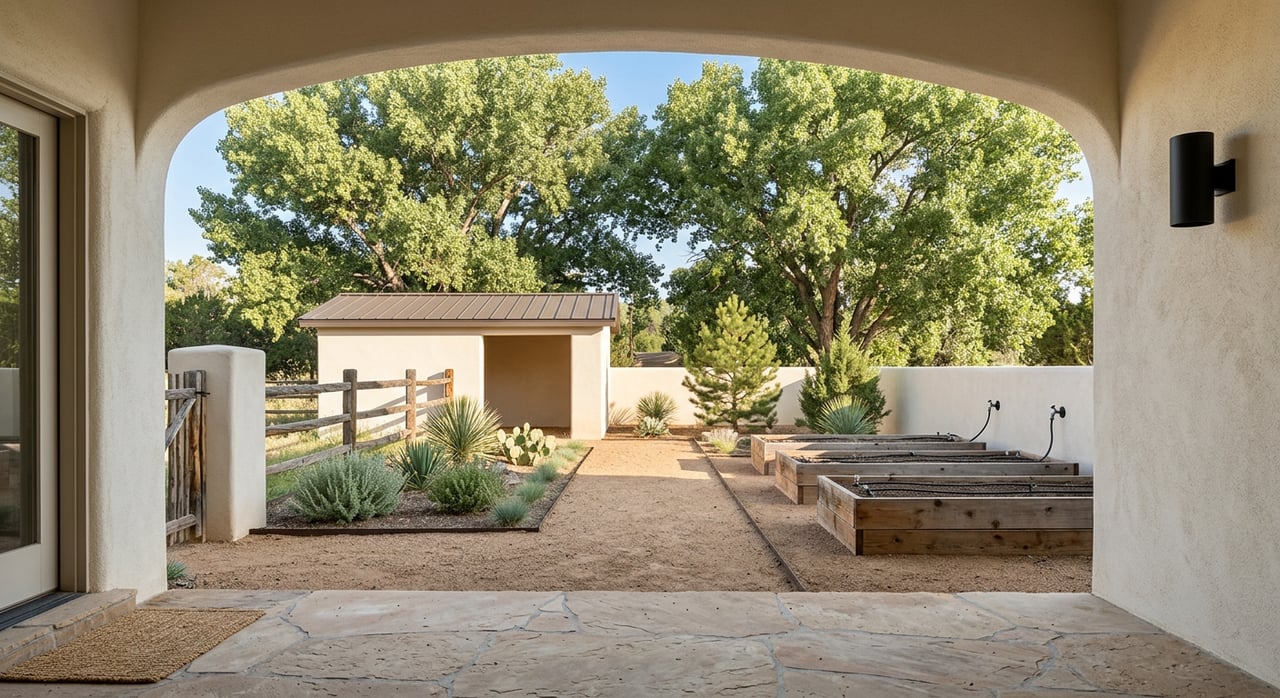
What if your workday begins with the sound of cottonwood leaves and a quick barn check, then ends with a sunset ride along the Rio Grande bosque? If you dream about space for horses, a big garden, or a few backyard chickens, life on a small acreage in Corrales can fit beautifully with a busy schedule in the Albuquerque metro. In this guide, you’ll learn what daily life really looks like, how water and utilities work, where to plug into the community, and what to verify before you buy. Let’s dive in.
Corrales at a glance
Corrales is a village along the Rio Grande in southern Sandoval County. It keeps a rural, agricultural feel while sitting next to Albuquerque and Rio Rancho. The 2020 population was 8,493, which helps explain why the pace feels slower and more neighborly according to this village profile.
You can live the acreage lifestyle and still reach city services in minutes. Many residents run errands, commute, or head to the airport in Albuquerque, then come home to quiet nights and open skies. On weekends, the Corrales Growers’ Market is a local hub for produce, preserves, and neighborly catch-ups.
A day on a small acreage
A typical morning starts with feeding horses and chickens, checking water troughs, and walking the fence line for a quick repair list. If you have acequia access, you may check the headgate or lateral when irrigation water is running. A tidy sweep of the barn and tack area keeps things organized before you head to work.
Midday often means small projects and garden care. You might weed raised beds, adjust drip irrigation, or schedule a hay delivery. Quick errands to a local farm-and-feed shop keep you stocked on pellets, salt blocks, and tools.
Evenings slow down with a second round of feed and water, a coop lock-up, and a walk along the ditch bank. Many residents finish the day with a short ride on the village trail network that links neighborhoods, ditches, and the bosque.
Water 101: acequias, wells, and planning
Acequias are community irrigation ditches that shape both the look and the daily life of Corrales. They are a cultural institution with annual cleanings, and they are a practical delivery system for farm water. The Middle Rio Grande Conservancy District operates key parts of the system across the valley, and delivery schedules can change with river conditions. You can monitor updates and notices through the Middle Rio Grande Conservancy District.
For hobby farms and pasture, having acequia water or recorded irrigation rights can make gardening and grazing far more workable. Availability may vary year to year, especially during drought management. Ask which acequia serves a property and whether assessments apply to the owner.
Domestic wells are also common. Depth, yield, and quality matter for household and animal needs. The Office of the State Engineer regulates wells in New Mexico, so factor well records and pump age into your due diligence. Build your farm plan around the most conservative water scenario you might face.
Land use, zoning, and horse culture
Equestrian life is part of the village fabric. Corrales plans for multi-use trails and recognizes the long-standing use of ditch banks for riding and walking. You can review official trail planning through the Corrales Trails Master Plan.
Before you add animals or build out facilities, confirm rules with the Village. Setbacks for barns, the number of animals you may keep, and whether a riding arena needs a permit can vary by zoning designation and parcel history. Reach out to Corrales Planning & Zoning to verify details for your property.
Septic and onsite systems made simple
Most small acreages in Corrales rely on permitted septic or other onsite wastewater systems. New Mexico Environment Department sets the rules for system design, permits, inspections, and who may install. Some homeowner installations are allowed after qualifications are met, and advanced systems require ongoing maintenance. For current steps and timelines, start with the NMED septic permitting guidance.
If your property uses a septic system, budget for regular pumping and periodic inspections. A well-tuned system protects your land and avoids costly surprises.
Growing in Zone 7: what thrives here
Corrales sits in a high-desert, cold semi-arid climate, with much of the valley area mapped around USDA Zone 7. That means you get a shorter frost-free window than warmer regions, but plenty of sunshine for vibrant gardens. Check the USDA Plant Hardiness Map to plan your planting calendar.
Expect the last spring frost in late April or early May and the first fall frost in October, depending on your exact microclimate. Mulch and drip irrigation help conserve moisture, and July to August monsoon storms bring a helpful mid-summer pulse of rain. Tomatoes, peppers, squash, chiles, herbs, stone fruit, and grapes can do well with the right soil prep and water plan.
Seasons that shape your routine
Spring opens with acequia cleanings and the first flows, which is as much a community tradition as it is a practical step. Early plantings go in once frost risk fades, and hay deliveries ramp up for summer.
Summer days run hot, with afternoon thunderstorms that cool the air. You will likely shift rides to the evening, manage irrigation timing, and keep an eye on mosquitoes. The National Weather Service’s Albuquerque office tracks monsoon patterns and seasonal hazards, which can help you plan your week. You can check outlooks at weather.gov Albuquerque.
Fall is harvest season. Canning, roasting chile, and weekend rides under golden cottonwoods become a rhythm. The village celebrates with its long-running Harvest Festival that brings hay-wagon rides and small-town flair. Get the flavor from this Harvest Festival feature.
Winter shortens your chore window. You will focus on shelter, heated troughs, and equipment maintenance. A clear system for freezing nights makes mornings easier.
Trails, ditch banks, and bosque access
Corrales blends neighborhood lanes, multi-use trails, and historic ditch-bank routes into an everyday riding and walking network. Many routes connect to the cottonwood bosque along the Rio Grande, which offers shaded paths and wildlife viewing. Use the Trails Master Plan for planning and be mindful of shared-use etiquette and safe road crossings.
A relaxed evening ride, a jog with your dog, or a slow walk after dinner all come easy here. That access to open space is part of what makes acreage living feel spacious even on a small parcel.
Services that make it doable
You will find everyday farm support in the village. The Village Mercantile is a long-standing home and farm store where you can pick up feed, hay, and essentials. Here is an example listing for context: Village Mercantile.
Farriers, mobile vets, and small tack shops serve local horse owners. On weekends, the Corrales Growers’ Market is where you can buy or sell produce, swap advice, and meet future riding buddies.
Quick buyer checklist for small acreages
Use this list to frame conversations with sellers, agents, and local officials.
- Water
- Ask if the property has acequia rights and which acequia serves it. Confirm any assessments and delivery logistics through the MRGCD.
- Review domestic well records and pump age. Plan for drought-year scenarios.
- Land use and animals
- Verify allowed animals, setbacks, and whether barns or arenas need permits with Corrales Planning & Zoning.
- Walk fence lines and gates. Note trailer access and turnaround areas.
- Wastewater
- Confirm septic permit history and inspection status. Review maintenance needs with the NMED septic program.
- Access and trails
- Map your daily routes to ditch banks, trails, and safe road crossings. Use the Corrales Trails Master Plan to understand connectivity.
- Vendors and community
- Identify feed, hay, and tack sources and meet nearby vets and farriers. Visit the Growers’ Market to plug into the local network.
Can you balance commute and acreage life?
Yes, if you plan with discipline. Corrales sits close to major job centers, which keeps drive times reasonable while still delivering a rural lifestyle. Most small-acreage owners budget morning and evening chore blocks, then use services like mobile vets and hay delivery to smooth out the week.
It helps to keep facilities simple and efficient. Good drainage, reliable water lines, storage near the barn, and a routine that stacks tasks in short bursts will save you hours each month.
Ready to explore properties in 87048?
If you can picture your mornings in the barn and your evenings under cottonwoods, you are ready to take the next step. A local guide who understands water, land use, and equestrian needs can help you avoid surprises and find a property that fits your routine. When you are ready to tour listings or map out a plan, connect with Momentum Real Estate Group for thoughtful, hands-on guidance.
FAQs
How much time do daily chores take on a small Corrales acreage?
- Plan on 30 to 60 minutes in the morning and evening for feed, water, and quick checks, plus a few hours on weekends for projects and deliveries.
How do acequia rights and irrigation work for hobby farms in Corrales?
- Many parcels are served by community ditches, and water deliveries depend on river conditions and district operations, so confirm rights, schedules, and assessments with the MRGCD and the local mayordomo.
What should you know about wells and septic in 87048 before buying?
- Many properties use a domestic well and a permitted septic system, so review well records, pump age, and the septic permit and inspection history, and follow NMED guidance for maintenance and upgrades.
What is Corrales’s climate and growing season like for gardens?
- The area maps to about USDA Zone 7 with a shorter frost-free window, summer monsoon showers, and strong sun, so use mulch, drip irrigation, and a conservative planting calendar.
Where can you find local supplies for a small acreage in Corrales?
- Village Mercantile and other local farm-and-feed and tack shops serve daily needs, and the Corrales Growers’ Market is a weekend hub for produce and community connections.
