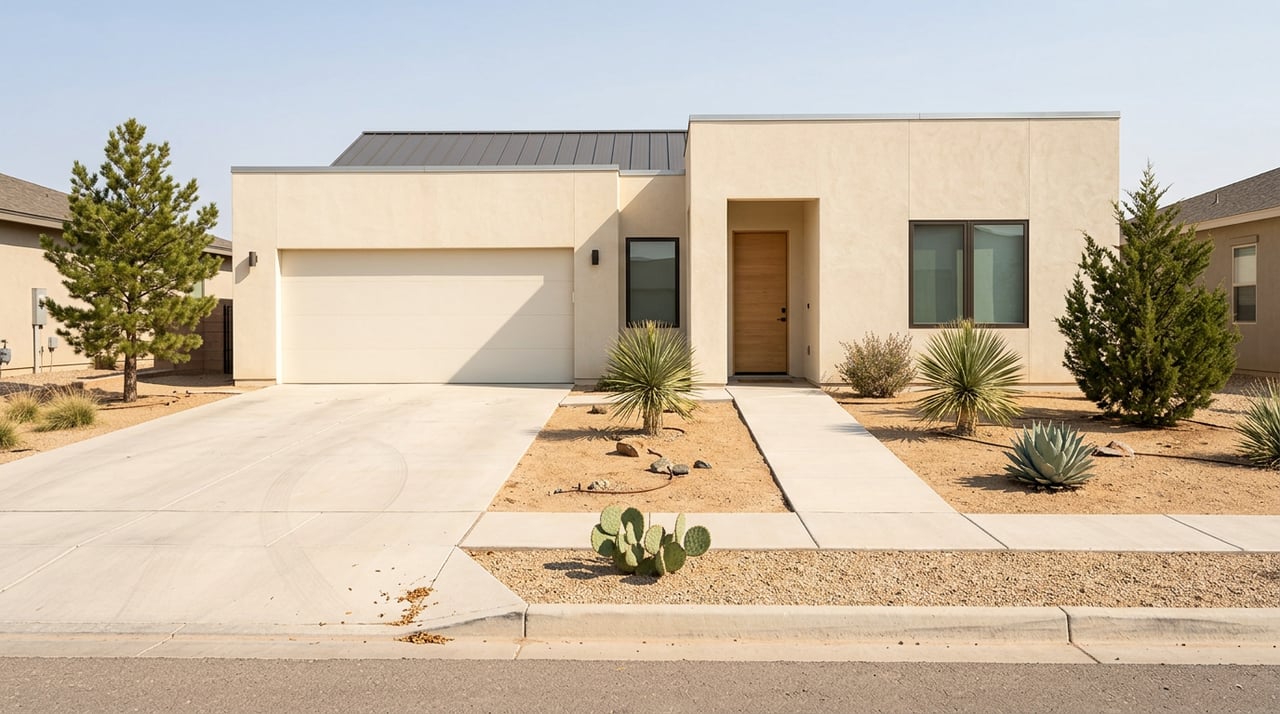
Trying to decide between a brand‑new build and a lived‑in resale in Rio Rancho? You are not alone. Both paths can work well, but they offer different timelines, costs, features and upkeep. In this guide, you will see how new construction and resale stack up in Rio Rancho so you can match the right home to your budget and lifestyle. Let’s dive in.
A quick note on location If you searched 87114, you are looking at Albuquerque’s Westside, not Rio Rancho. Most Rio Rancho addresses fall under 87124, 87144 or 87174. This matters because permits, utilities, taxes and community rules change by city. If your target is Rio Rancho, double‑check the ZIP and jurisdiction before you compare homes. You can verify Rio Rancho ZIP coverage on a public reference page for 87144, and confirm permit questions with the City’s Building Division.
- Check a Rio Rancho ZIP example: ZIP‑Codes 87144 overview
- City permits and inspections: City of Rio Rancho Building Division
Market snapshot: Why this choice is close
Rio Rancho sits inside the greater Albuquerque market, where the median single‑family sale price was reported near 370,000 for 2025. That regional context helps explain both builder pricing and resale comps. At the neighborhood level inside Rio Rancho, typical home‑value midpoints often land in the low‑to‑mid 300s, and they vary by pocket. In many metros, including around Albuquerque and Rio Rancho, builder incentives and available new‑home inventory can bring new‑build pricing close to resale at times. The bottom line: compare current listings and incentives in the exact neighborhood you want before you decide.
- Regional price context: GAAR 2025 Annual Market Statistics
New construction in Rio Rancho: What you get
Communities and product types
You will find a mix of master‑planned neighborhoods and production builders, alongside smaller regional or custom builders. Popular master‑planned areas such as Lomas Encantadas and Mariposa often offer both quick‑move‑in homes and to‑be‑built plans with design choices. Contracts for to‑be‑built homes typically run several months to completion, while quick‑move‑in inventory can sometimes close sooner.
- Example master‑planned living: Mariposa community overview
- Example builder standards and options: Abrazo Homes at Lomas Encantadas
Lots, layouts and features
In recent production neighborhoods, lots are designed for efficiency. Many fall roughly in the 0.08 to 0.20 acre range, which keeps yard work manageable and helps lower water use. If you want more space, you can look to premium phases in master‑planned areas or older Rio Rancho Estates pockets, where half‑acre to acre‑plus lots are more common.
New homes typically include open‑concept plans, modern kitchens, energy‑efficient windows and HVAC, and smart‑home options. Rio Rancho enforces current model codes, including the 2021 International Energy Conservation Code, and manages staged inspections through the City. Ask builders for written specifications, included features and energy details so you can compare apples to apples.
- Energy code and inspections: City of Rio Rancho Building Division
HOAs, PIDs and monthly costs
Many master‑planned communities use a homeowners association or a Public Improvement District to maintain roads, parks and amenity centers. In some neighborhoods, monthly HOA dues commonly fall in the 80 to 150 per month range, and a PID may appear as a line item on your tax bill until it is repaid. Before you sign, request the HOA budget, CC&Rs, any special assessments and the PID payoff schedule for your exact phase.
- What to review in Mariposa: Mariposa FAQs on HOA and PID
Builder warranties and first‑year expectations
Most new‑home warranties follow a common pattern sometimes called 1‑2‑10. Workmanship and materials are often covered for about one year, major systems like electrical, plumbing and HVAC for around two years, and structural components for up to ten years. Coverage varies by builder and insurer, so get the full warranty packet in writing and learn the claim steps before closing.
- Warranty basics and what to ask: FTC guide to new‑home warranties
Resale homes in Rio Rancho: Strengths and tradeoffs
Space, landscaping and neighborhood fabric
Resale homes in Rio Rancho are diverse. Many older or custom areas offer larger lots, mature trees and established landscaping you cannot replicate overnight. You also get a lived‑in neighborhood feel and a clearer sense of how nearby homes have aged. If yard space and privacy top your list, resale or estate‑lot pockets can be a strong fit.
Inspections, comps and predictability
With resale, appraisers and lenders have more local closed sales to reference, which can make valuation more predictable. You also get a thorough home inspection as part of your offer period, plus disclosures from the seller. Pay close attention to the ages of big‑ticket systems. As a rule of thumb, central AC and heat pumps often last about 10 to 17 years, furnaces about 15 to 20 years, and roof life varies by material, with many asphalt shingles running 15 to 30 years and tile or metal much longer. Your inspector will give condition‑based estimates so you can negotiate repairs or credits.
- Typical HVAC lifespans explained: Action 316 HVAC overview
- Appraisal approach for proposed construction vs resale: Fannie Mae job aid
Timelines, financing and contracts
How long you will wait
If you want to move soon, a completed inventory home can sometimes close in 30 to 90 days, similar to many resale timelines. To‑be‑built production plans often take about 4 to 9 months from contract to completion, while fully custom builds can run 9 to 18 months or more depending on site, permits and selections. Resale purchases often close in roughly 30 to 45 days, depending on financing and repairs.
Loan types and builder incentives
Building from scratch usually means either a construction‑to‑permanent loan or a two‑step construction loan followed by a standard mortgage at completion. A single‑close construction‑to‑permanent loan starts as a construction loan with draws, then converts to a long‑term mortgage. A two‑close approach uses a short‑term construction loan and a separate permanent loan later, which can allow flexibility but adds a second closing.
Builders sometimes offer preferred‑lender incentives such as rate buydowns or closing‑cost help. These can meaningfully change your monthly payment. Always compare a builder’s offer with independent quotes by lining up the same terms and fees on official Loan Estimates.
- Construction‑to‑permanent overview: Fannie Mae learning center
- How draws and rates work: Construction loan guide
Contracts, inspections and walkthroughs
Builder purchase agreements are not the same as standard resale contracts. They often limit certain contingencies, define deposits and option fees, and set strict change‑order rules. Ask for the contract in advance, confirm every inclusion and allowance in writing, and document timelines for milestones. New builds also go through staged municipal inspections, plus your final walkthrough and punch list before closing. For resale, your independent home inspection is the main tool to request repairs or credits.
- City inspections and permits: City of Rio Rancho Building Division
- Warranty coverage and claims steps: FTC guide to new‑home warranties
Appraisals and valuation risk for new homes
New construction loans often use an as‑completed appraisal. When there are few recent nearby sales for the same plan, appraisal risk can rise. If you plan to finance, work with a lender who understands your community and uses appraisers experienced with proposed construction.
- How appraisals work for proposed construction: Fannie Mae job aid
How to choose: A quick decision guide
Use these checkpoints to decide where you fit best.
- Budget and incentives. Compare the total monthly payment for each option, including rate buydowns, closing‑cost help, HOA dues and any PID charges. Ask for all incentives in writing.
- Lot size and privacy. If you want a larger yard or an acre‑plus feel, focus on resale or premium estate‑lot phases. If you want low‑maintenance living, many new production lots are compact by design.
- Timeline. Need to move in 30 to 60 days? Look at completed inventory homes or well‑maintained resale. Comfortable waiting 4 to 9 months or more? A to‑be‑built plan or custom home might work.
- Features and energy use. New builds deliver modern layouts, efficient systems and smart‑home options. Ask whether the home meets ENERGY STAR or DOE standards and request documentation if efficiency is a priority.
- Warranty and maintenance. New homes come with structured warranty coverage and lower near‑term maintenance. With resale, budget for system ages and plan upgrades over time.
- HOA and PID due diligence. Request the HOA budget, CC&Rs, special assessments and the PID payoff schedule before you write an offer, since these affect both monthly carry and resale value.
- Confirm jurisdiction. If you said 87114 by habit, verify whether you mean Rio Rancho or Albuquerque. Different cities mean different permits, utilities and taxes.
Helpful references as you compare:
- ZIP check and locality context: ZIP‑Codes 87144 overview
- Permits, inspections and energy code: City of Rio Rancho Building Division
- HOA and PID examples: Mariposa FAQs
- Builder warranty basics: FTC guide to new‑home warranties
- Construction loan options: Fannie Mae learning center
- Energy tax credit context: IRS Section 45L instructions
Whether you choose a fresh, efficient new home or a character‑rich resale with space to spread out, the best move is the one that fits your timing, budget and day‑to‑day life. If you want a calm, local voice to help you compare specific neighborhoods, incentives and resale histories in Rio Rancho, reach out to Momentum Real Estate Group. We will walk you through the details and help you choose with confidence.
FAQs
What is the difference between 87114 and Rio Rancho for homebuyers?
- 87114 covers Albuquerque’s Westside, while most Rio Rancho addresses use 87124, 87144 or 87174; city lines affect permits, utilities, taxes and fees, so verify the ZIP and contact the City of Rio Rancho Building Division or check a Rio Rancho ZIP like 87144.
What HOA or PID fees should I expect in Rio Rancho master‑planned areas?
- Many communities charge monthly HOA dues that often appear in the 80 to 150 range on example listings, and some include a PID; review the budget, CC&Rs and any PID payoff details for your exact phase, such as those outlined in Mariposa’s FAQs.
What energy code applies to new homes in Rio Rancho?
- Rio Rancho enforces recent model codes, including the 2021 International Energy Conservation Code, and manages staged inspections through the City’s Building Division.
How long does a new build take compared with a resale closing?
- Completed inventory homes and many resale deals can close in roughly 30 to 90 days, to‑be‑built plans often take about 4 to 9 months, and fully custom builds can run 9 to 18 months or more depending on permits and selections.
What does a new‑home warranty typically cover?
- Many builders use a 1‑2‑10 style model with about one year for workmanship and materials, around two years for major systems, and up to ten years for structural items; always review the full written warranty and claim process, as outlined in the FTC’s guide.
What loan options are common for building a home?
- Buyers often use a single‑close construction‑to‑permanent loan or a two‑close structure with a separate construction loan and permanent mortgage; see Fannie Mae’s overview and compare terms with your lender.
