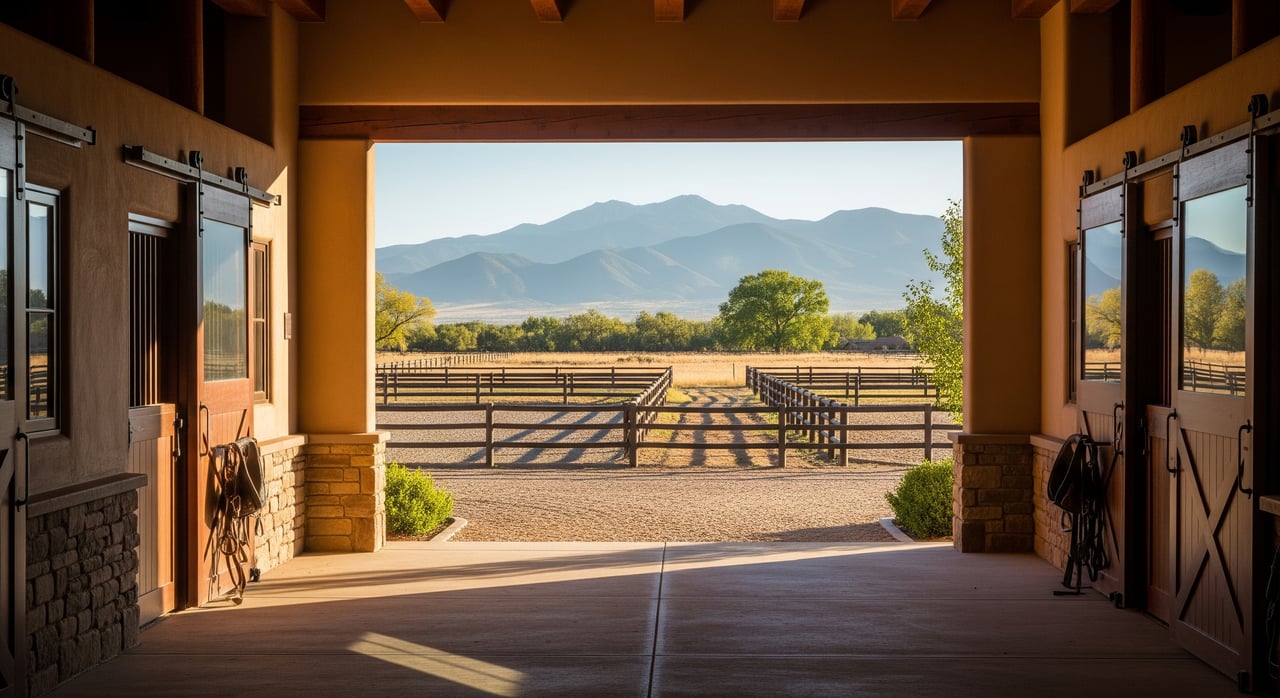
Thinking about selling your Corrales horse property and wondering what truly moves the needle? In 87048, equestrian listings succeed when you pair honest prep with the right pricing and targeted marketing. You want a smooth path from first showings to closing, with no surprises around water, permits or financing. In this guide, you’ll learn the exact steps we follow in Corrales to prepare, price and market equestrian properties so you can attract serious buyers and protect your timeline. Let’s dive in.
What makes Corrales equestrian sales unique
Corrales blends rural equestrian living with metro convenience. Many properties feature barns, arenas, irrigated pasture and access to local acequia systems. That mix draws a strong buyer pool, from local horse owners to commuters from Albuquerque or Rio Rancho who want space without leaving city amenities.
The Rio Grande corridor also brings practical considerations. Some parcels sit within mapped flood zones, and irrigation rights, wells and septic systems must be well documented. Local planning and zoning rules apply to barns, arenas and outbuildings, and recorded easements are common. Strong preparation around these items helps buyers say yes with confidence.
Step 1: Verify land, water and permits
Getting your documentation right early saves time and builds trust. We coordinate with local authorities and organize a clean package buyers can review at a glance.
Irrigation and acequia details
Acequia assessments, any irrigation agreements and the condition of laterals and headgates matter to equestrian buyers. Confirm current acequia status, provide recent assessment statements and note how irrigation has been used on the property. If water rights or rules are tied to the land, supply documents and contact details for the local acequia association.
Well and septic
Buyers expect well yield and potability information, along with septic inspection or permit transfer documents where required. These reports are often essential for financing and reduce renegotiation risk after inspections.
Floodplain and drainage
Corrales’ proximity to the Rio Grande means some parcels may be in FEMA flood zones. If your home is in or near a mapped flood area, provide an elevation certificate or map printout and note any flood insurance requirements. Buyers and lenders will evaluate this early.
Easements, covenants and uses
Many Corrales properties include access or utility easements and, in some cases, CC&Rs that address animals or commercial activities. Gather recorded easement documents, maintenance obligations and any covenants that might affect boarding, training or the number of animals.
Permit history for barns and arenas
Outbuildings, stalls, arenas and accessory structures may require permits. If any structures were added or modified, provide permit records and final inspections. If something is unpermitted, disclose it upfront and be ready with an agreed path to remedy.
Step 2: Prepare facilities buyers care about
Equestrian buyers evaluate more than the home. They study the full horse-care ecosystem, from stall safety to arena footing.
- Barns and stalls: stall dimensions, ventilation, flooring, drainage, roof condition, lighting, tack and feed storage.
- Fencing and gates: type, height, cross-fencing, gate placement and safety.
- Arenas: size, footing type and depth, grading, drainage and dust control.
- Pastures and forage: acreage of irrigated pasture vs. dry lots, pasture condition and any hay production history.
- Water infrastructure: well age and yield, water quality results, laterals and irrigation capacity.
- Manure management: storage, compost area and removal practices.
- Riding access: on-property trails and connections to nearby greenbelts or facilities.
- Utilities: electric service to barns, propane, septic capacity and internet/cellular options.
Inspections and seller-provided reports
Providing key reports upfront helps buyers compare apples to apples and move decisively.
- General home inspection
- Barn and equine-facility inspection focused on structure and safety
- Fence and gate inspection
- Well test with yield and potability
- Septic inspection and transfer documents where required
- Flood elevation certificate or FEMA map reference if applicable
- Permit records for outbuildings and arenas
- Acequia assessment statements or irrigation agreements
- Recent photos of hay meadows and irrigation features
Quick prep checklist
- Repair hazardous or visibly worn fencing and hardware.
- Deep-clean barns, aisles and tack rooms; manage odors.
- Stage arenas and paddocks; organize hay and tools.
- Create a concise features sheet with stall count, arena dimensions, footing, irrigated acres and utility details.
- Assemble maintenance logs, utility bills and acreage proof.
- Consider a pre-listing appraisal that accounts for equestrian improvements.
Step 3: Price for the equestrian market
With horse properties, value is a blend of land, location and improvements. Irrigated acres, fencing quality, stall count and arena specs can shift value more than a simple price-per-acre metric.
Choose comparables that mirror your property’s best features: irrigated vs. non-irrigated acreage, barn and arena quality, stall capacity, fencing and floodplain status. We build a feature-value list that translates major improvements into pricing adjustments, then present a range aligned with your goals, whether you want top-dollar or a faster sale.
Seasonality matters. Spring and fall often showcase pastures and facilities at their best, and buyers are more active. We factor timing into your list strategy to optimize interest and presentation.
Step 4: Market to the right buyers
The strongest results come from targeted, equestrian-forward marketing. We craft your listing to speak to buyers who value what you’ve built.
- MLS entry with equine specifics: stall count, arena dimensions and footing, fence type, irrigated acres, well data, hay storage and acequia details.
- Professional photography and aerial drone imagery showing barn and arena layout, paddocks, water features and nearby trail connections.
- Video walkthroughs and virtual tours that highlight barn interiors, arena footing and functional flow.
- Property brochure focused on equestrian features, maintenance history and a local amenities map.
- Outreach to local trainers, boarding barns, equestrian associations and riding groups, plus syndication to equine-focused channels.
- Social media short-form video showing riding areas, turnouts and irrigation in action.
- Signage that clearly calls out equestrian-ready features, stall count and acreage, with a QR link to your equine features page.
Showings and open houses
Schedule showings during favorable weather when pastures look their best and arenas are freshly dragged. Secure all gates and plan safe animal handling to reduce risk during traffic. Provide a one-page factsheet with maintenance schedules, hay suppliers, vet and farrier contacts and feed notes. If boarding or training operations are active, coordinate schedules and disclose any agreements that may transfer.
Step 5: Navigate financing, appraisals and closing
Financing equestrian properties can be nuanced. Appraisers may value unique improvements differently, so we prepare documentation for barns, arenas and irrigated acres to support the valuation.
Buyers may use conventional, VA or USDA programs depending on eligibility and lender policies. Well and septic certifications, flood insurance underwriting and any unpermitted-structure remedies can extend timelines. We set realistic contingency dates and keep communication clear with all parties.
Be ready with complete disclosures: property condition, flood or water history, well and septic details, permits and any environmental or manure-management notes. If leases or boarding contracts exist, clarify how they will terminate or transfer.
Insurance needs vary. Flood insurance may be required if a lender determines the parcel is within a FEMA flood zone. Equine liability coverage is common for horse owners. If you’ve completed fire mitigation, document it for buyers.
A clear timeline from prep to close
- Pre-listing: gather permits, well and septic reports, acequia documents; complete barn and fence repairs; capture professional photos and drone footage.
- Pricing: build a comp set that matches irrigation, improvements and flood status; create a feature-value worksheet; set a strategic list price.
- Marketing: publish an equestrian-centric MLS listing; launch video, brochure and targeted outreach to equine networks and local agents.
- Showings: stage barns, arenas and paddocks; secure animals; provide the equestrian features sheet and local service list.
- Offers: vet buyer financing and equestrian experience; anticipate appraisal requests; set practical contingency timelines.
- Closing: coordinate transfer of any agricultural tax status, finalize remedy items for permits, and deliver easement and access documents.
Why work with Momentum in 87048
You deserve a team that knows Corrales land, water and equine needs as well as modern listing strategy. Momentum pairs deep local knowledge with boutique, hands-on service. We organize your irrigation, well and permit documentation, stage and capture your facilities the right way and market directly to qualified equestrian buyers. If you’re out of state or short on time, we manage the prep so you can focus on your next move.
Ready to talk pricing, timing and a custom plan for your property? Connect with our team at Momentum Real Estate Group for a clear, step-by-step path to market.
FAQs
How do Corrales acequia rights affect a sale?
- Provide current acequia assessments and any irrigation agreements, and confirm how water use is tied to the property so buyers and title can evaluate transfer details.
What inspections should Corrales horse sellers offer?
- Well yield and water quality, septic inspection or transfer documents, general home inspection, barn and fence safety inspections and flood documentation if applicable.
How do you price irrigated vs. dry acreage in Corrales?
- Irrigated acres and usable pasture often command a premium; we match comps by irrigation status, barn and arena quality, stall count, fencing and floodplain exposure.
Will lenders finance a barn and arena in Corrales?
- Many will, but appraisals can vary; buyers should pre-qualify with lenders familiar with rural and equestrian properties and expect clear documentation of improvements.
Do I need flood insurance near the Rio Grande?
- If the property is within a FEMA flood zone, lenders may require it; we help you provide elevation data or maps so buyers and lenders can confirm requirements.
When is the best time to list an equestrian property in 87048?
- Spring and fall often present the property at its best and align with active buyer interest, though your specific timing may depend on pasture condition and goals.
