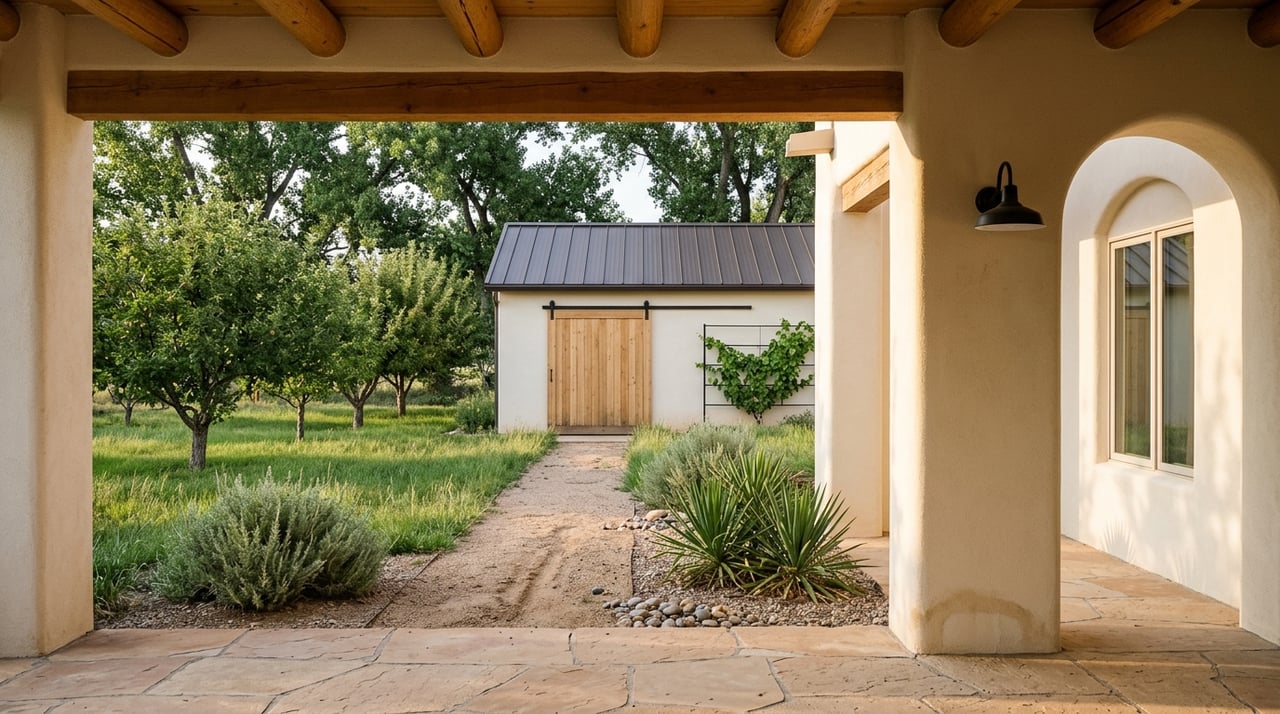
If you are selling a North Valley ranchette, you are not just putting a house on the market. You are presenting a property with land, systems, records, and a lifestyle that buyers want to understand before they make an offer. That can feel like a lot, especially when you are juggling repairs, documents, animals, and timing. The good news is that with the right prep, you can make the process smoother from day one through closing. Let’s dive in.
Why North Valley ranchettes sell differently
A North Valley or Los Ranchos ranchette is often a different kind of sale than a standard suburban home in Albuquerque. Buyers are usually looking at the full property package, including acreage, irrigation access, outbuildings, outdoor usability, and how the land has been maintained.
That local context matters. Redfin’s North Valley market snapshot shows a smaller pool of recent sales and about 60.5 days on market in the latest month tracked, compared with Albuquerque overall, where the median sale price is higher and homes move somewhat faster on average. On ranchettes, buyer fit, condition, and documentation often matter as much as pricing.
The setting matters too. The Village of Los Ranchos Agri-Nature Center highlights the area’s connection to agriculture, acequias, water conservation, livestock, and land stewardship. That is why your sale should be approached as a land-and-lifestyle transaction, not only a house sale.
Start with pre-listing sequencing
One of the biggest mistakes sellers make is treating prep as something they can finish after the home hits the market. In New Mexico, the NMAR listing agreement notes that public marketing can trigger MLS entry within one business day, so your photos, repairs, cleaning, and document gathering should be lined up before launch.
That same form also makes it clear that sellers should provide available records and allow showings at reasonable times with reasonable notice. For a ranchette, that means planning early for access, gates, animals, and any paperwork buyers are likely to request.
A simple pre-listing sequence often looks like this:
- Walk the property and identify repairs or cleanup needs.
- Gather records for improvements, systems, and land features.
- Confirm permits where needed.
- Make a showing plan for animals, gates, and outbuildings.
- Schedule photos only after the property is fully presentation-ready.
Focus on the features buyers notice first
On a ranchette, curb appeal goes beyond the front door. Buyers are reading the property from the road to the back fence line, and they often notice upkeep clues right away.
That includes driveways, fencing, gates, corrals, turnouts, sheds, barn areas, garden beds, tree lines, and irrigation features. In a place like the North Valley, where land use is part of the appeal, these outdoor areas help buyers picture how the property functions day to day.
The Los Ranchos Agri-Nature Center reinforces that agriculture, acequias, and conservation are part of the local identity. For sellers, that means irrigation ditches, berms, valves, field edges, and planted areas should look intentional and maintained, not neglected.
Tackle repairs and maintenance early
Not every issue needs a major renovation, but visible deferred maintenance can create doubt fast. Buyers may wonder whether cosmetic issues are a sign of larger problems with drainage, systems, or property care.
That is especially relevant because Redfin’s North Valley data flags minor flood risk, moderate wildfire risk, and major heat risk in the area. Before listing, it is wise to pay attention to drainage paths, brush control, shade, roof condition, and landscape upkeep, since these are practical concerns buyers may already have.
In many cases, the best return comes from basic, high-visibility work:
- Clear overgrown vegetation
- Trim trees away from structures or access points
- Clean up feed, storage, and utility areas
- Repair obvious fencing or gate issues
- Address drainage trouble spots
- Refresh exterior paint where needed
- Service well-maintained but older systems and keep records
Gather documents before you market
For ranchettes, paperwork is part of the product. The more complete and organized your records are, the easier it is for buyers to understand what they are purchasing.
The NMAR purchase agreement anticipates a document packet that can include property disclosure, road documents, water-rights documents, well logs, septic permits, HOA papers, and permits. It also requires sellers to disclose known adverse material facts through settlement or signing date.
A strong seller file may include:
- Property disclosure documents
- Septic permit records
- Well logs and recent service records
- Water-rights or irrigation-related documents, if applicable
- Permit records for additions, shops, barns, or other improvements
- HOA documents, if the property is in an association
- Any available road or access documents
If you have had additions or improvements done, check permit history with Bernalillo County Planning & Development Services. Confirming the paperwork before listing can help you avoid last-minute surprises during escrow.
Prepare for well and septic questions
Private wells and septic systems are common buyer question areas because they require more diligence than city utility connections. If your property has either system, it helps to think ahead instead of waiting for the buyer’s inspection period.
The New Mexico Department of Health says private well owners should periodically test water because many contaminants cannot be detected by taste or odor. Recent water test results, well permits, and maintenance records can help answer buyer concerns quickly and clearly.
On the septic side, the NMAR purchase agreement says septic systems require a licensed septic system evaluator prior to transfer, and the existing septic permit must be delivered to the buyer within five days of acceptance. If you know where your records are before you list, you will be in a much better position once a contract is signed.
Clarify irrigation and water rights early
If your ranchette includes irrigation access or acequia-related features, buyers will often have practical questions. They may want to know how delivery works, whether records are available, and what comes with the property.
According to the Middle Rio Grande Conservancy District, the district does not provide fixed irrigation schedules, irrigators should be ready to accept deliveries when available, and irrigation records are available upon request. The district also notes that if a property has severed its pre-1907 water rights, delivery will stop.
For sellers, that means it is smart to gather whatever irrigation and water-use records you have as early as possible. The NMAR purchase agreement also notes that well transfers are subject to State Engineer rules, and the Office of the State Engineer forms page explains that anyone wanting to use water in New Mexico must have a permit from the State Engineer. If your property includes a domestic well or water-rights-related history, early organization matters.
Make a showing plan for animals and outbuildings
Showings on ranchettes require more coordination than simply tidying up and leaving for an hour. If you have animals, feed areas, tack rooms, kennels, or active work spaces, you need a safe and realistic plan.
The NMAR listing agreement says sellers should secure pets, valuables, medication, and weapons during showings and inform the broker if there is audio or video surveillance. For larger properties, that often means deciding in advance which gates stay open, which structures are accessible, and how animals will be handled during tours.
A good showing checklist may include:
- Secure pets and other animals safely before each showing
- Remove or lock up medication, valuables, and weapons
- Check gates and latches
- Clean feed, barn, and storage areas
- Mark any areas that should not be entered without guidance
- Disclose surveillance if present
- Make sure key outdoor paths are easy to walk and understand
Know the required disclosures
Disclosure is not something to leave until the end. It is a core part of a clean, confident sale.
If your home was built before 1978, federal lead-based paint rules require sellers and agents to disclose known lead-based paint or lead hazards, share available records, provide the EPA pamphlet, and offer a 10-day inspection or risk-assessment window unless that right is waived.
New Mexico also has tax-related timing to keep in mind. The same federal and state closing framework referenced in the research includes a requirement that the seller or seller’s broker request the county assessor’s estimated property tax levy before accepting an offer and provide that estimate to the buyer or buyer’s broker. This is another reason organized, early preparation helps the transaction move more smoothly.
Plan for HOA and closing items
Some North Valley and nearby properties are in associations, even when the home feels more rural or land-oriented. If your property is in an HOA, the document package is still part of your closing prep.
Under New Mexico law, the seller must provide the declaration, bylaws, CC&Rs, rules, and a disclosure certificate before closing, and the association must furnish the certificate within 10 business days after a written request. If an HOA is involved, request those documents early rather than waiting until the buyer is already under contract.
Expect a realistic timeline
Every seller wants a smooth sale, but ranchettes rarely follow a one-size-fits-all timeline. These properties often need a more thoughtful launch, and the buyer pool may be narrower but more focused.
That is why it helps to set expectations around sequencing instead of speed alone. Redfin’s recent North Valley sold examples ranged from 41 to 480 days on market, which suggests that condition, records, presentation, and buyer match can all affect timing.
The goal is not to rush. The goal is to position the property well, answer buyer questions clearly, and reduce avoidable friction once you are under contract.
A smoother sale starts with local planning
Selling a North Valley ranchette means thinking beyond staging and photos. You need a plan for the land, the records, the systems, the animals, and the disclosures that come with this kind of property.
That is where local experience can make a real difference. A thoughtful selling strategy helps you prepare the property, organize the details buyers care about, and move from prep to closing with fewer surprises. If you are getting ready to sell, Momentum Real Estate Group can help you build a practical, property-specific plan from the start.
FAQs
How much cleaning is enough before listing a North Valley ranchette?
- Focus on both the house and the land. Buyers will notice interior cleanliness, but they will also pay close attention to fencing, storage areas, corrals, gates, irrigation features, and general outdoor upkeep.
Which improvements on a North Valley ranchette should have permits or documentation?
- Additions and other improvements such as outbuildings, shops, or major updates should be checked against available records. Bernalillo County’s permit system is a useful place to confirm documentation for past work.
How should sellers handle animals during ranchette showings?
- Sellers should secure pets and other animals before showings and make a clear access plan for gates, barns, and outdoor areas. This helps protect the animals, visitors, and the overall showing experience.
What paperwork do buyers usually want for a North Valley ranchette?
- Common requests include property disclosures, septic permits, well logs, water-rights or irrigation documents, permit records, road documents, and HOA paperwork if applicable.
When do septic, well, and disclosure items usually come up in a ranchette sale?
- These items should be organized before listing whenever possible. Once you are under contract, buyers often move quickly into inspections, document review, and system-related questions.
