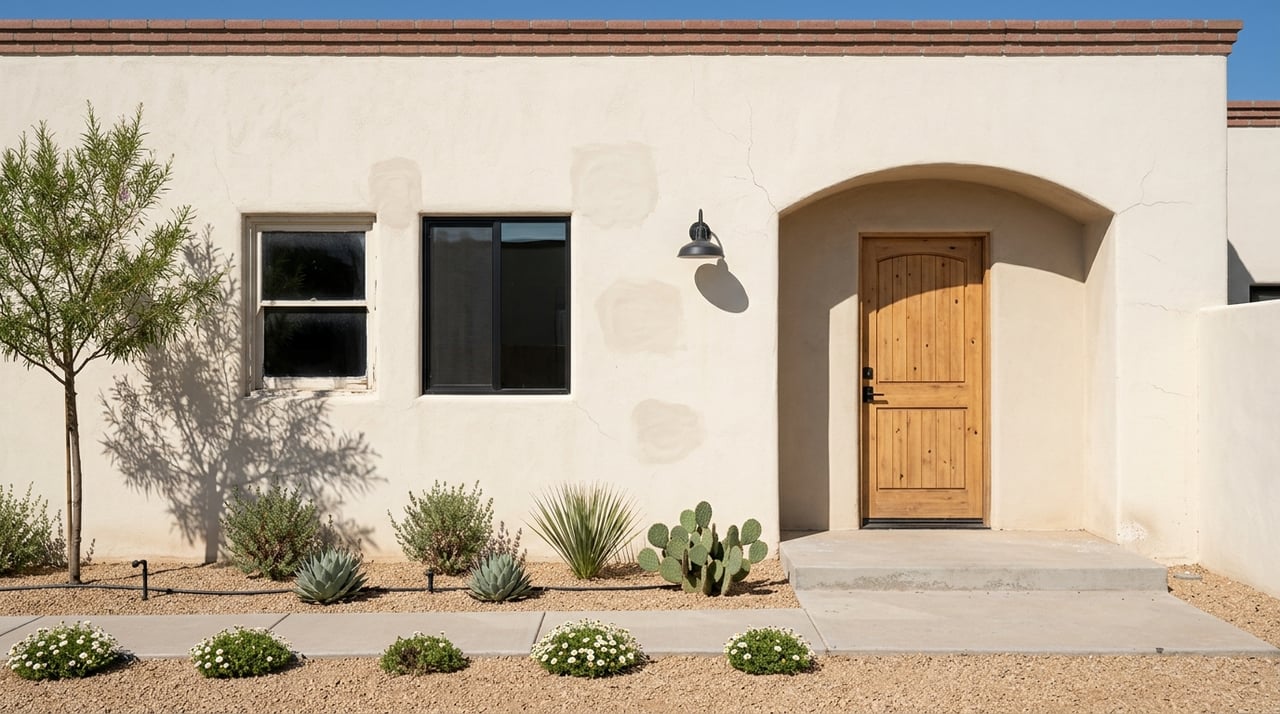
Thinking about buying a fixer in Los Ranchos or the North Valley? It can be a smart way to get into one of Albuquerque’s most distinctive areas, but it can also get expensive fast if you misjudge the work. If you are drawn to older homes, larger lots, irrigation features, or that semi-rural setting, this guide will help you spot the difference between a promising project and a costly surprise. Let’s dive in.
Why fixers stand out here
Los Ranchos and the North Valley both attract buyers who want character, land, and a setting that feels different from a typical subdivision. Los Ranchos has deep agricultural roots, older village patterns, irrigation history, and a long-standing emphasis on preserving open space, older buildings, and rural character.
The North Valley shares some of that appeal, but it is a broader planning area rather than an incorporated village. City planning materials describe it as a place where rural flavor, lower-density development, and a stable residential pattern are important parts of the area’s identity.
That matters because a fixer in either area is often more than a paint-and-flooring project. You may be buying not just a house, but also a complex site with drainage questions, ditch access, older materials, or a layered permit history.
What makes a fixer different here
In many parts of Albuquerque, a fixer might mostly mean dated finishes and older systems. In Los Ranchos and the North Valley, the bigger risk is often the land and structure itself.
A home can look manageable on the surface but still come with floodplain issues, irrigation easements, moisture damage, or specialty repairs tied to adobe or exposed wood features. Those are the items that can change your budget and timeline the fastest.
A useful way to think about the work is to break it into three buckets:
- Cosmetic updates like flooring, paint, cabinets, and fixtures
- Systems updates like plumbing, electrical, heating, or roofing
- Site and structure work like drainage, floodplain compliance, irrigation access, moisture repair, or specialty structural review
If most of the needed work falls into the first two categories, the property may be easier to plan for. If the third bucket is large or unclear, you will want to move carefully.
Floodplain and drainage can change everything
One of the biggest issues to check in this part of Albuquerque is whether the property sits in a Special Flood Hazard Area. The City of Albuquerque states that it has more than 5,000 acres in these areas, and that monsoon season runs from June 15 through September 30.
That is not just background information. The city says floodplain work such as earthmoving, grading, paving, additions, and new construction in a Special Flood Hazard Area requires a Floodplain Development Permit, and development in the floodplain without a permit is illegal.
For you as a buyer, that means drainage and floodplain review should happen early. A lower price may not be a bargain if future work on the lot becomes more complicated or if past work was done without the right approvals.
What to ask about flood risk
During a showing or inspection, ask direct questions such as:
- Is the property in a Special Flood Hazard Area?
- Has the home or lot ever had drainage, flooding, or arroyo-related issues?
- Is there an elevation certificate or other floodplain record available?
- Were any grading, paving, additions, or site changes permitted?
These answers can help you tell whether the project is predictable or whether you may need extra review before moving forward.
Irrigation and acequia details matter
In Los Ranchos and parts of the North Valley, irrigation is part of the area’s history and often part of a property’s value and use. The Middle Rio Grande Conservancy District says its Albuquerque Division includes Los Ranchos, and that many local canals trace back to older acequia systems.
For fixer buyers, that means ditch access is not just a charming feature. You may need to understand easements, maintenance responsibilities, boundary trees, and the property’s water-right history.
The district notes that property owners may need to work with its Right-of-Way staff on trees along canals and ditches. It also states that questions about specific property water rights should go to the Office of the State Engineer.
Why this affects your budget
If your plans include fencing, landscaping, adding structures, or changing how part of the site is used, irrigation features can affect what is simple and what is not. A property with unclear ditch boundaries or unresolved water-right questions can take more time to sort out than buyers expect.
This does not mean you should avoid these homes. It means you should treat irrigation and ditch conditions as real due diligence items, not afterthoughts.
Older adobe and wood features need careful review
Many buyers love the look and feel of older New Mexico homes. Exposed beams, adobe walls, plaster finishes, and long-settled homesites can be a huge part of the appeal in Los Ranchos and the North Valley.
They can also require more specialized inspection. Guidance from the University of New Mexico on adobe conservation notes the need to check for structural issues, moisture damage, insects, fungus, and hidden deterioration in features like vigas and corbels.
If a home has older adobe or exposed wood elements, do not assume the condition is easy to judge from a quick walk-through. Roof details, parapets, wall sections, and any sign of moisture intrusion deserve close attention.
Signs to take seriously
Ask more questions if you notice:
- Ceiling staining or past leak repairs
- Cracked plaster or stucco in areas exposed to moisture
- Soft or damaged wood elements
- Uneven areas around roof lines or parapets
- A history of repeated patchwork repairs
Character is a major reason people buy in these areas. Still, character only adds value if the repair path is clear and manageable.
Lead paint rules can affect renovation plans
If the home was built before 1978, lead-based paint rules are part of the conversation. HUD states that pre-1978 homes fall under lead disclosure requirements, and EPA says renovation and repair firms working on pre-1978 housing must be certified under the Renovation, Repair and Painting program when painted surfaces are disturbed.
For you, this can affect both negotiations and contractor planning. If you are counting on doing repairs quickly after closing, make sure you understand whether the work will involve painted surfaces and whether the right professionals are lined up.
This is especially important in older homes where a “simple update” may include sanding, scraping, demolition, or window replacement.
Permits are a major part of the puzzle
In any fixer purchase, permit history matters. In Los Ranchos and the North Valley, it matters even more because site conditions and local review can be more layered.
The research suggests that if a property is in Los Ranchos, the village planning department may require a pre-consultation for some applications. The planning director also serves as building official and floodplain manager, which makes it especially important to confirm what is allowed before assuming your remodel will be straightforward.
In the North Valley, older area-plan language may still help you understand neighborhood character, but zoning checks should go through the current Integrated Development Ordinance. That means you should verify current rules rather than rely on older assumptions.
Ask for records before you commit
Try to confirm permits for:
- Additions
- Roof replacement
- Electrical updates
- Plumbing updates
- Re-stucco or major exterior work
- Garage conversions or accessory spaces
- Grading or site work
If records are missing or unclear, that does not automatically kill the deal. It does mean you should factor uncertainty into your budget and timeline.
How to tell if the fixer is worth it
A good fixer in Los Ranchos or the North Valley is usually one where you love the setting and the biggest issues are understandable. The project may still be substantial, but the path from inspection to repair is visible.
A riskier fixer is one where the charm depends on older materials, unusual site conditions, or past additions, but no one can clearly explain the drainage, permit, or structural story. That is where a “great deal” can stop feeling great.
Here is a simple way to frame the decision:
A fixer may be a good fit if
- You want the area’s setting and character
- You are comfortable with a longer renovation timeline
- You can carry a larger repair contingency
- The main issues are cosmetic or mechanical, not unknown site problems
- You are willing to bring in specialists when needed
A fixer may be a poor fit if
- You need a very predictable move-in date
- You have little room for budget surprises
- You do not want to deal with permitting questions
- The property has unclear flood, drainage, irrigation, or structural issues
- You are relying on a light remodel to solve deeper property problems
Build your team before you decide
In these neighborhoods, the smartest move is often to line up your experts early. Depending on the property, that may include a home inspector, contractor, structural expert, floodplain specialist, or adobe-focused professional.
That specialist-first approach is practical, not excessive. It helps you separate homes that need normal updating from homes that may require a much deeper level of repair planning.
For many buyers, that is the real answer to whether you should buy a fixer in Los Ranchos or the North Valley. If you understand the site, the systems, the permit history, and the repair scope before you commit, a fixer can be a rewarding way to buy into an area you already love.
If you are weighing a fixer in Los Ranchos or the North Valley and want local guidance on what to watch for, Momentum Real Estate Group can help you evaluate the property, the setting, and the next steps with a practical local lens.
FAQs
What should you check first before buying a fixer in Los Ranchos?
- Start with floodplain status, drainage history, permit records, and any irrigation or acequia features affecting the lot.
What makes a North Valley fixer different from a typical Albuquerque fixer?
- North Valley properties often involve older development patterns, rural-style lots, and site issues like drainage, irrigation access, or specialty structural concerns in addition to cosmetic updates.
Do older homes in Los Ranchos and the North Valley need special inspections?
- Yes. If a home has adobe elements, exposed vigas, corbels, parapets, or signs of moisture damage, a specialist review may be worth adding.
Why do permits matter so much for a fixer in Los Ranchos?
- Los Ranchos may require pre-consultation for some applications, and local review can be important for planned remodels, floodplain-related work, and other site changes.
Should you avoid a fixer if it is in a floodplain?
- Not necessarily, but you should understand the floodplain status, any past issues, and what permits may be required before you budget for improvements.
How can you tell if a fixer is mostly cosmetic or something more?
- Ask about leaks, drainage, flood history, permit records, roof age, structural reviews, and pre-1978 lead disclosures to see whether the project is surface-level or more complex.
